Brand Storytelling

I help travel, hospitality and lifestyle brands articulate the meaning behind what they do — crafting emotionally rich narratives that express brand character.

My approach combines a documentary lens, a writer’s sensibility, and the strategic clarity of a former agency art director.

Agency experience taught me how brands speak; years on location taught me how stories emerge. I work where those worlds meet — creating human, atmospheric work with clear commercial value. Authored for longevity.

What I offer

Photography that adds editorial depth, texture and nuance to the written word.

Writing that balances observational detail and emotive depth with commercial demands.

Ready‑to‑publish features that combine integrated photography and narrative for brands or publishers.


Estancia Nibepo Aike / Gaucho Getaways

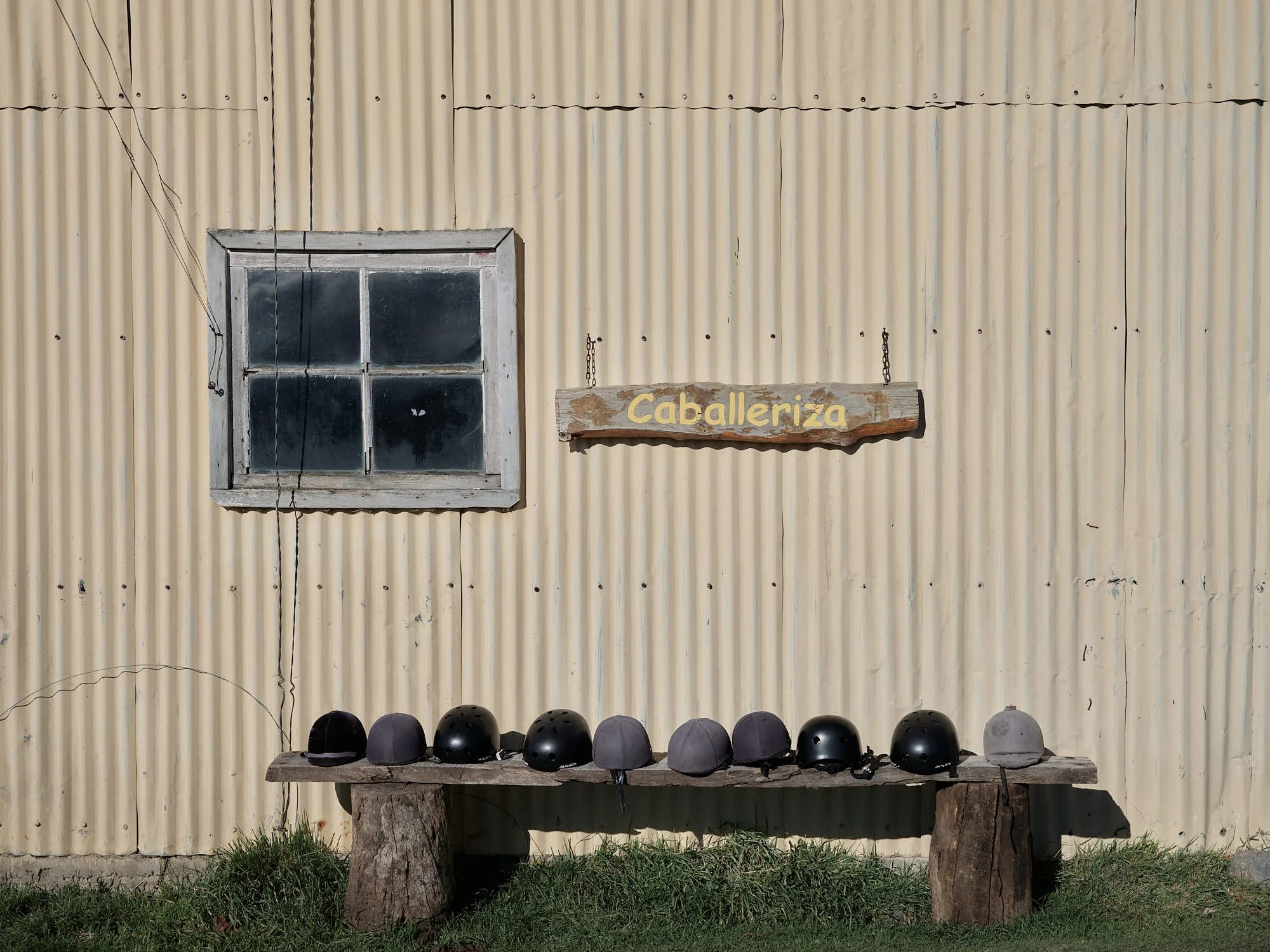
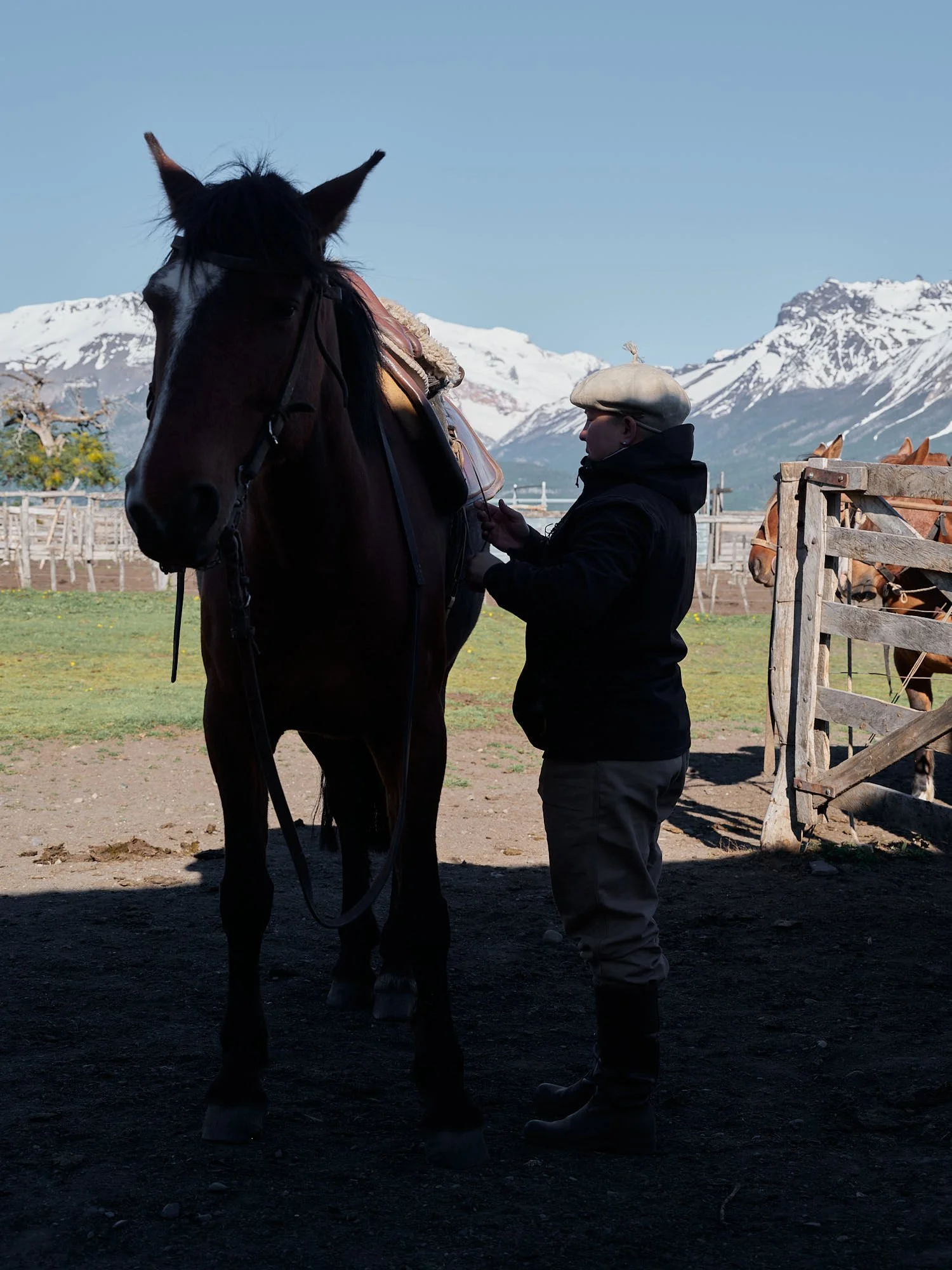
Brief: Convey the visitor experience at an Estancia: combining a taste of Gaucho culture and sustainable luxury in the Los Glaciares National Park, Argentina.

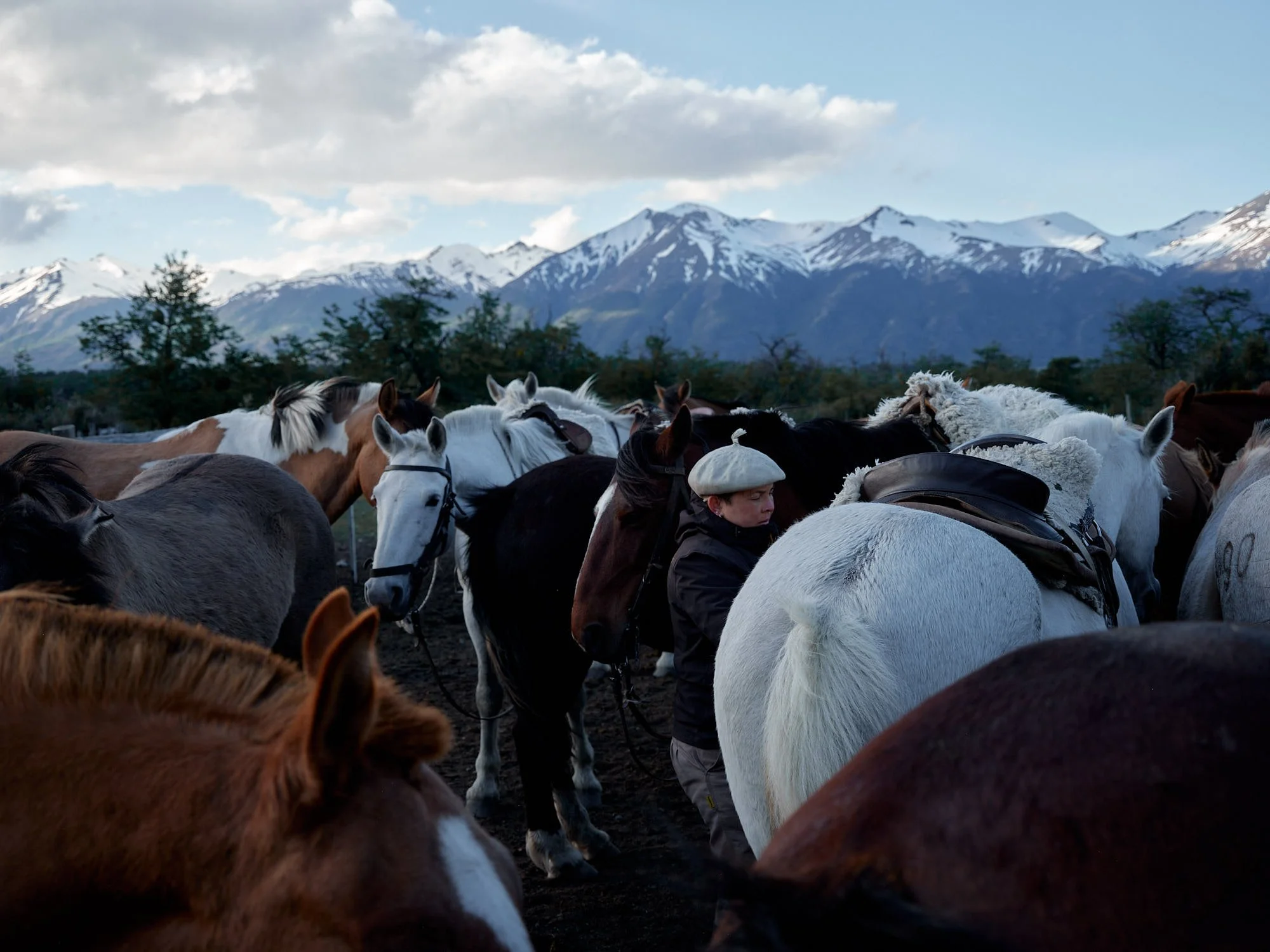
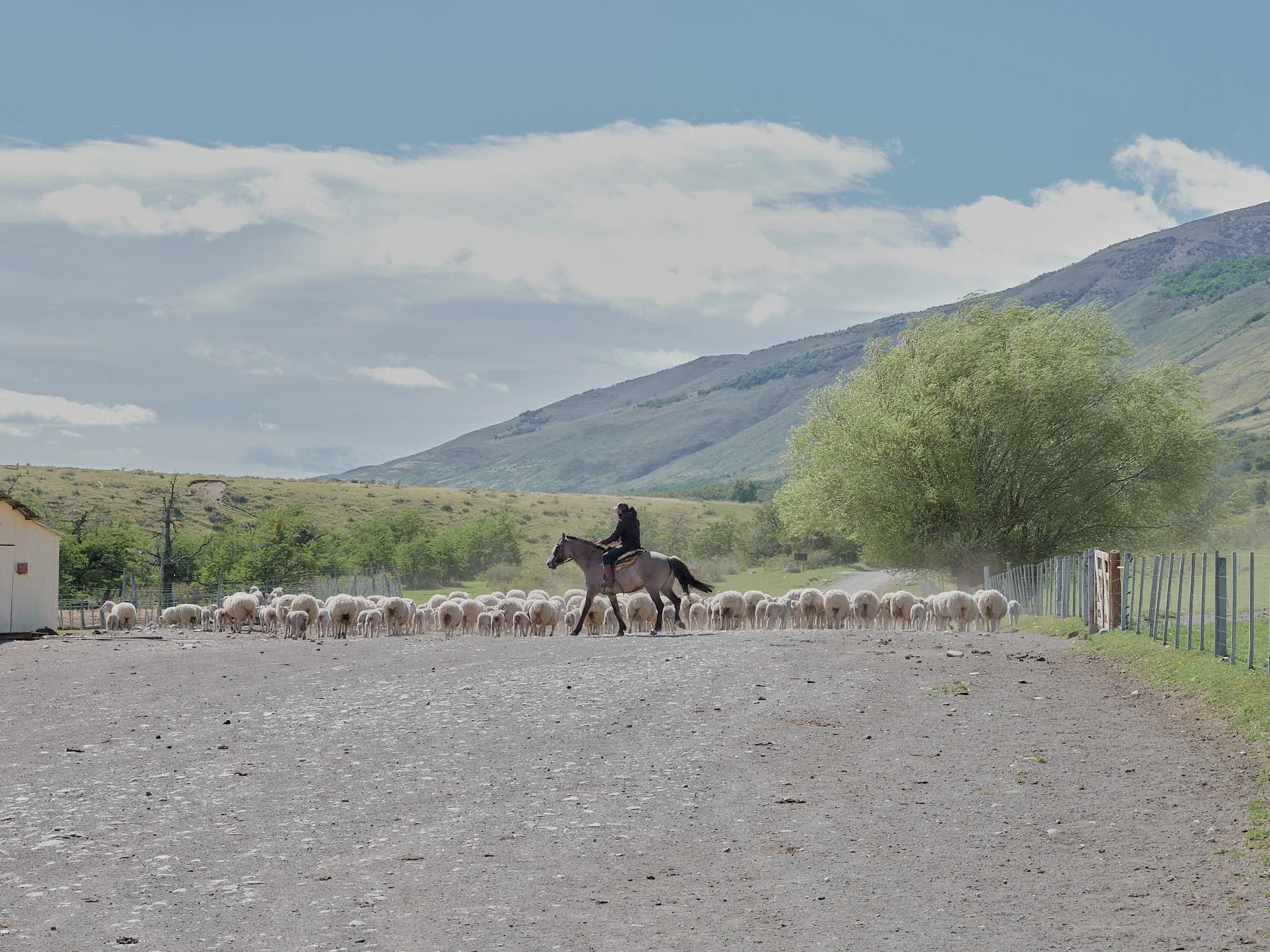
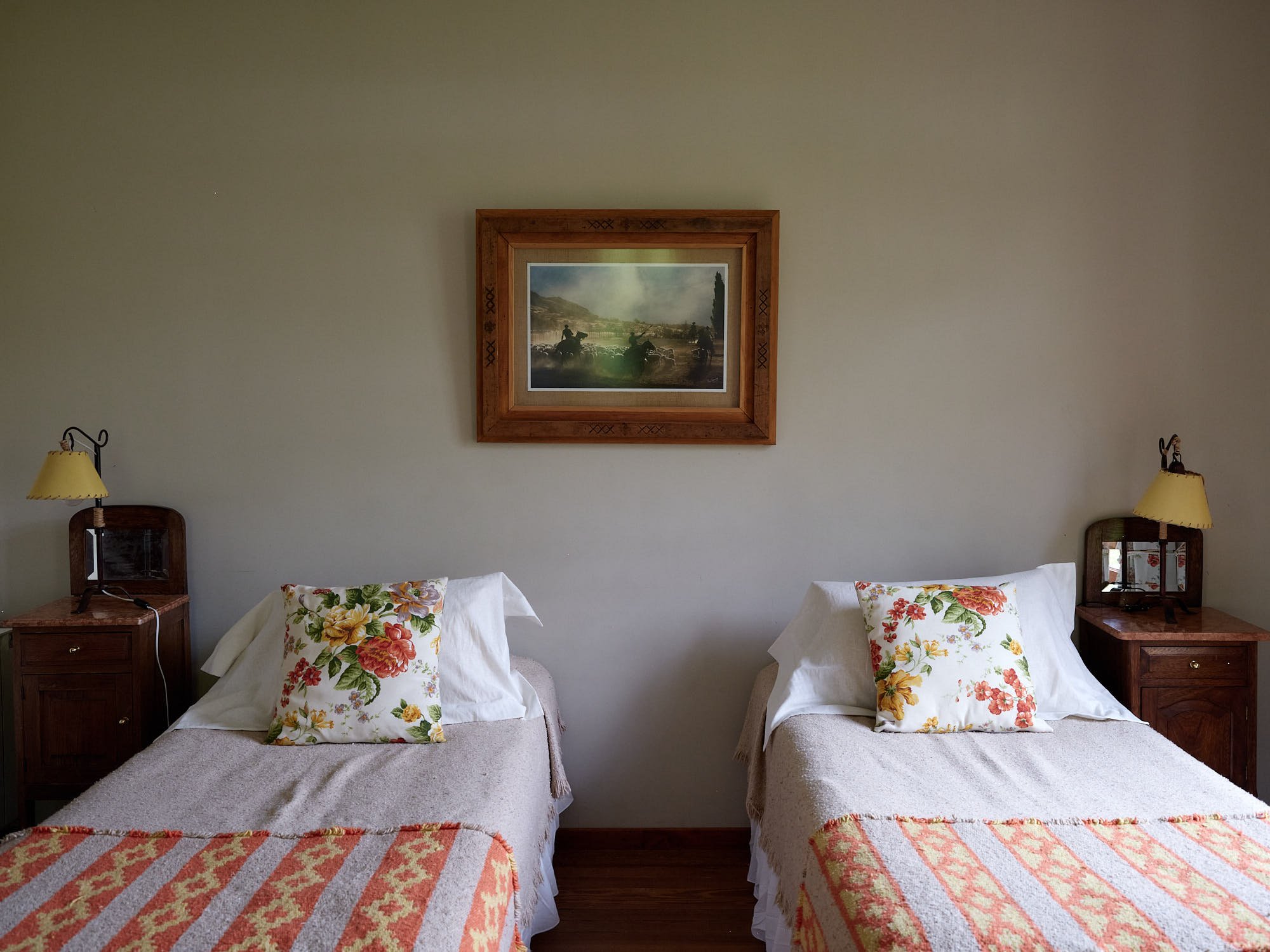
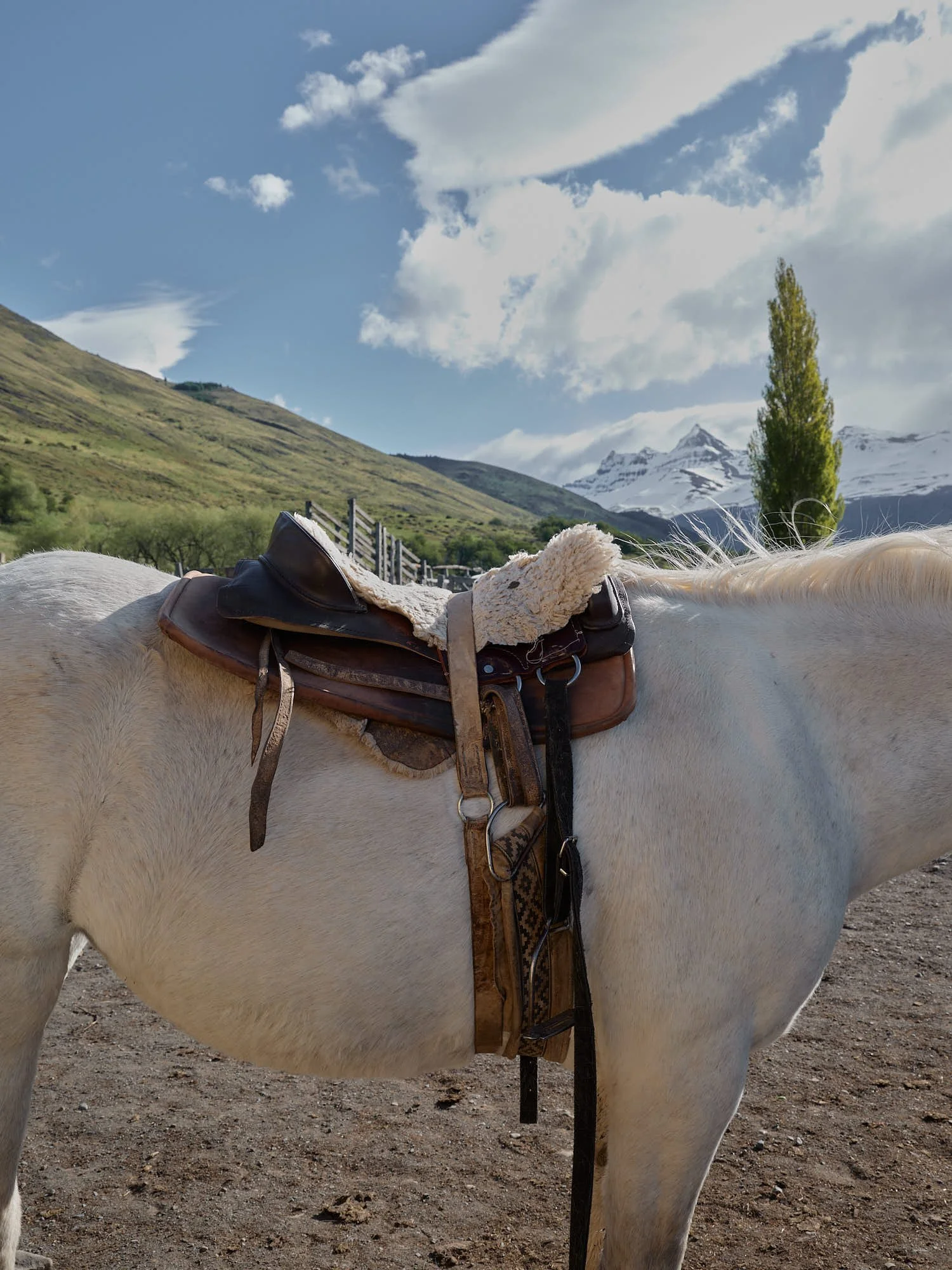
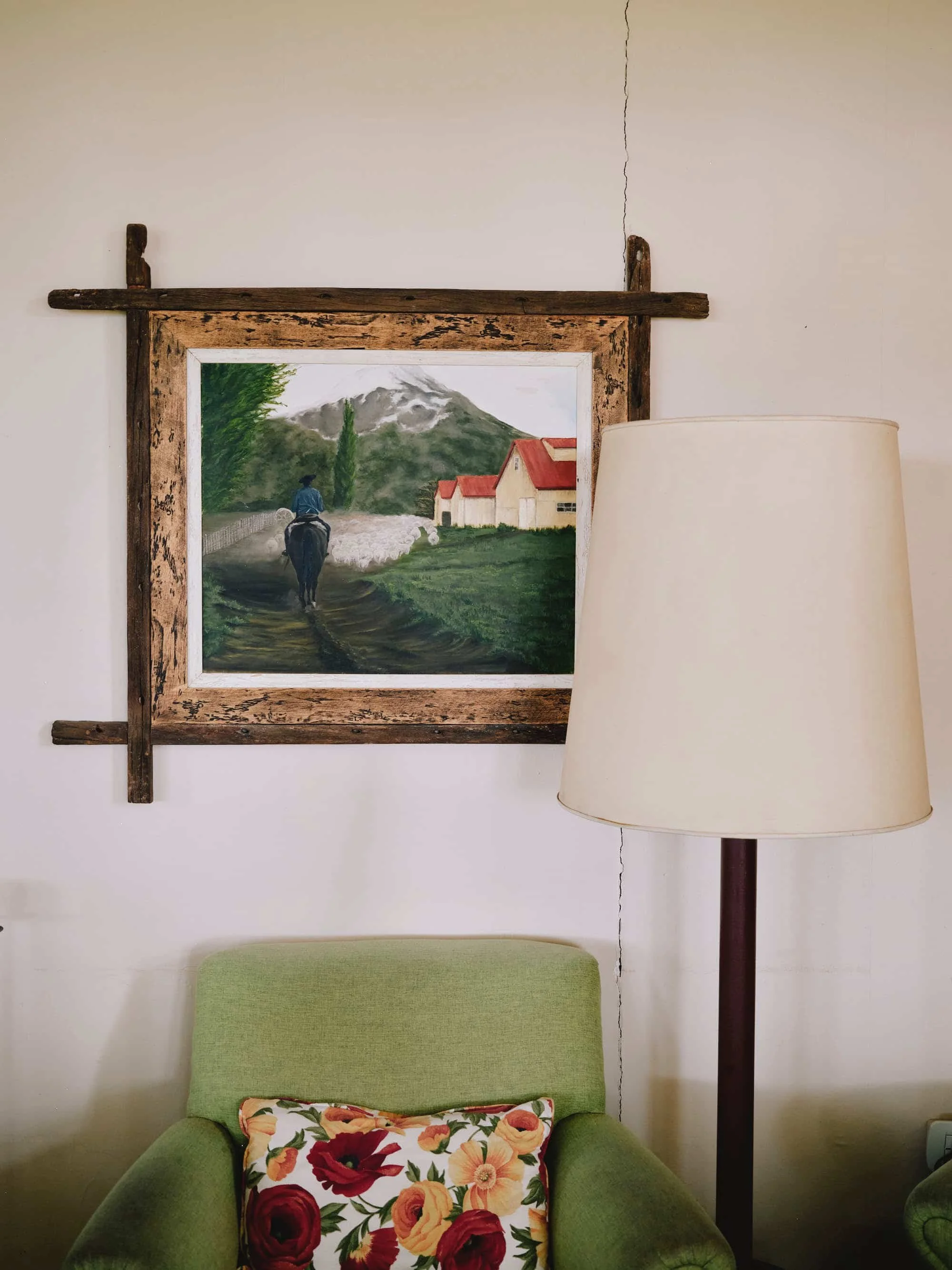
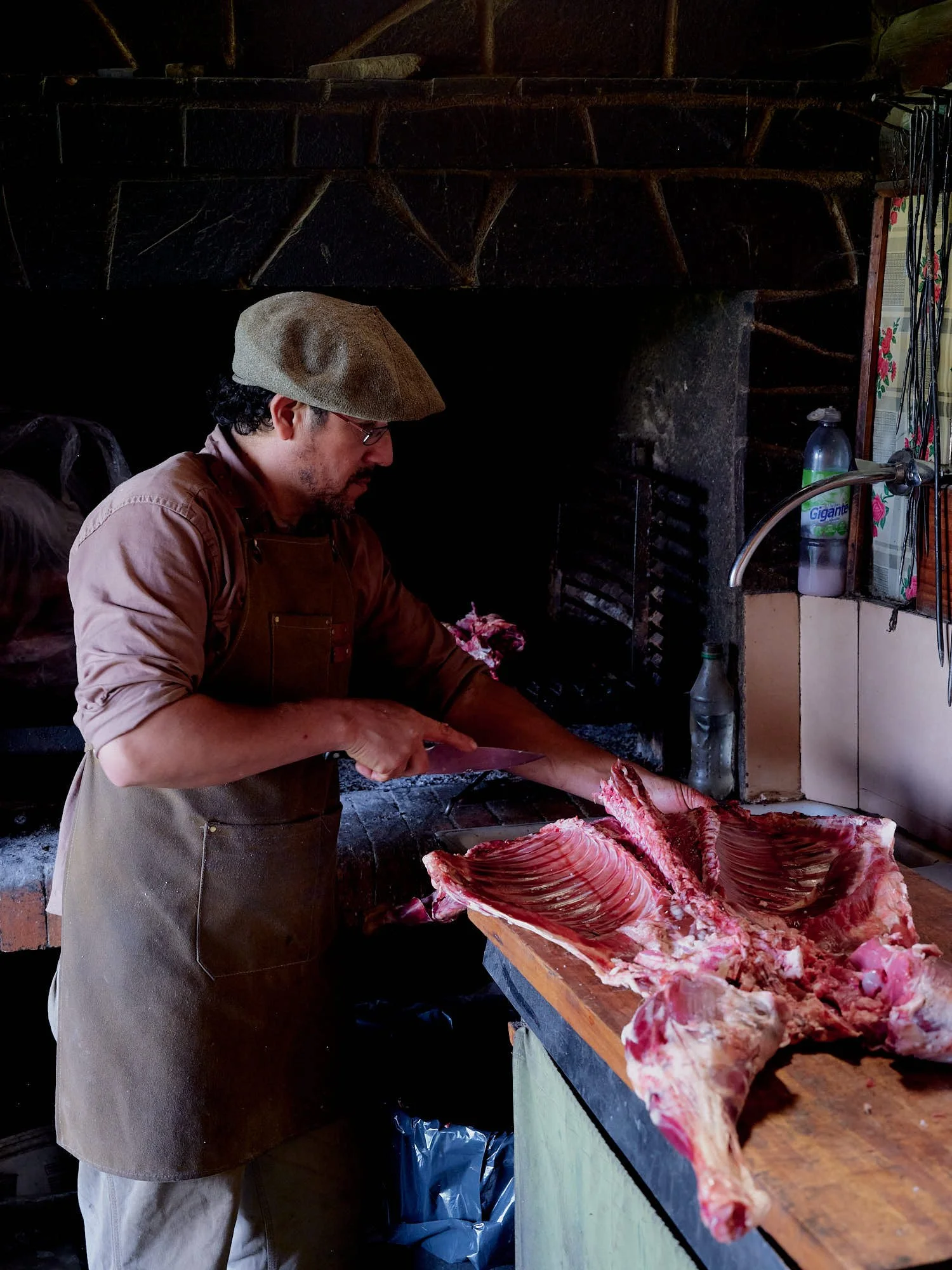
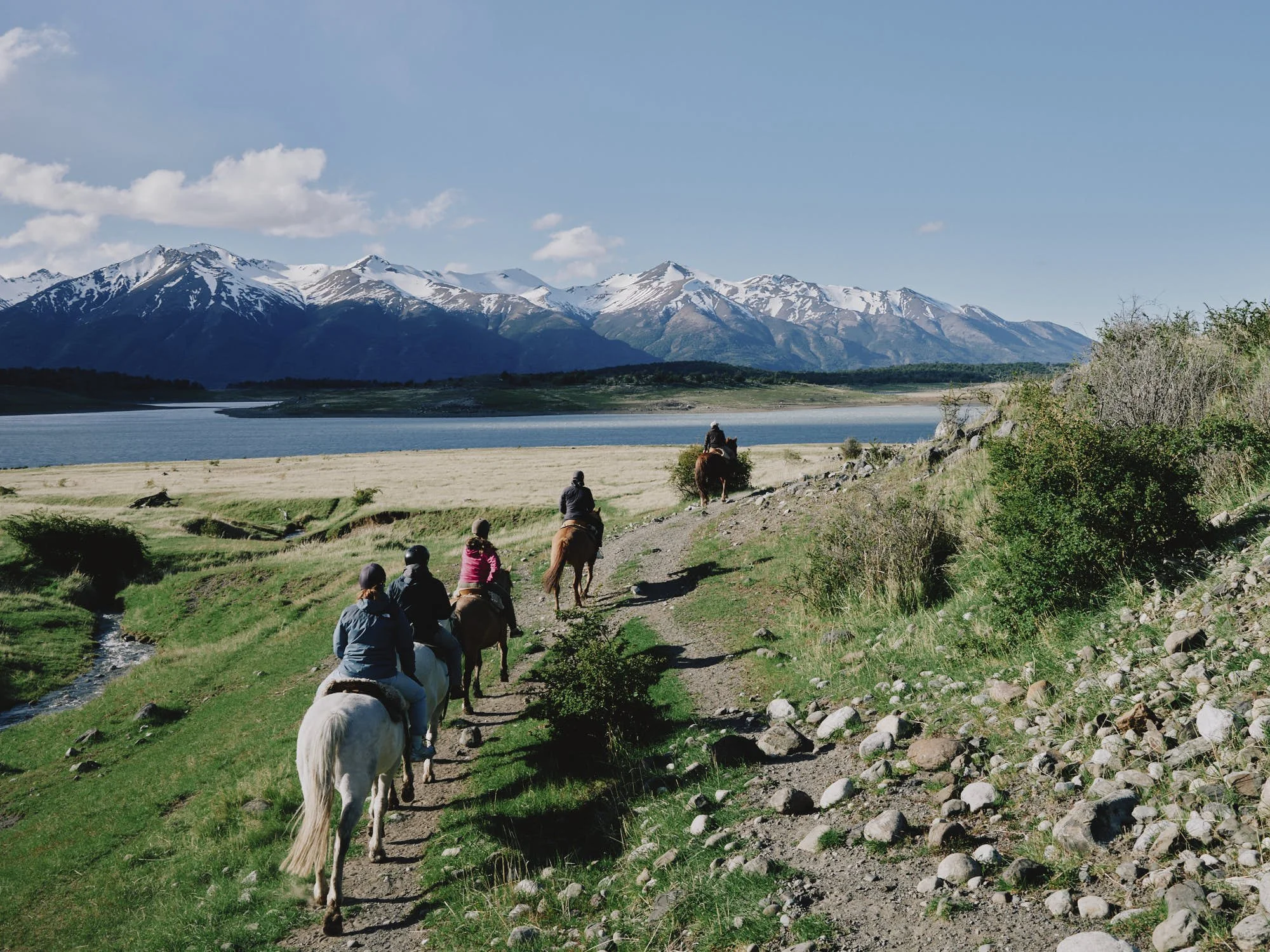
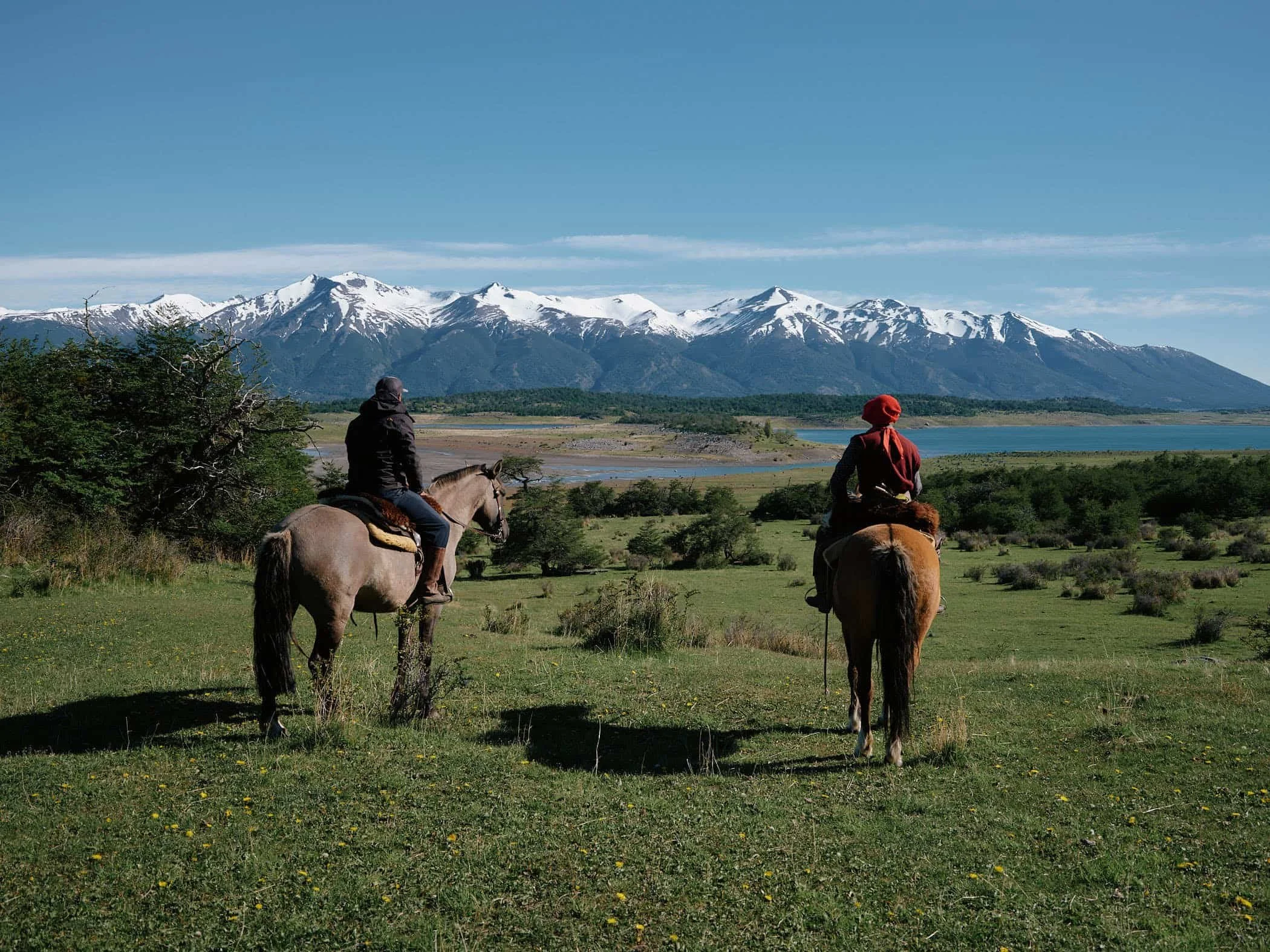
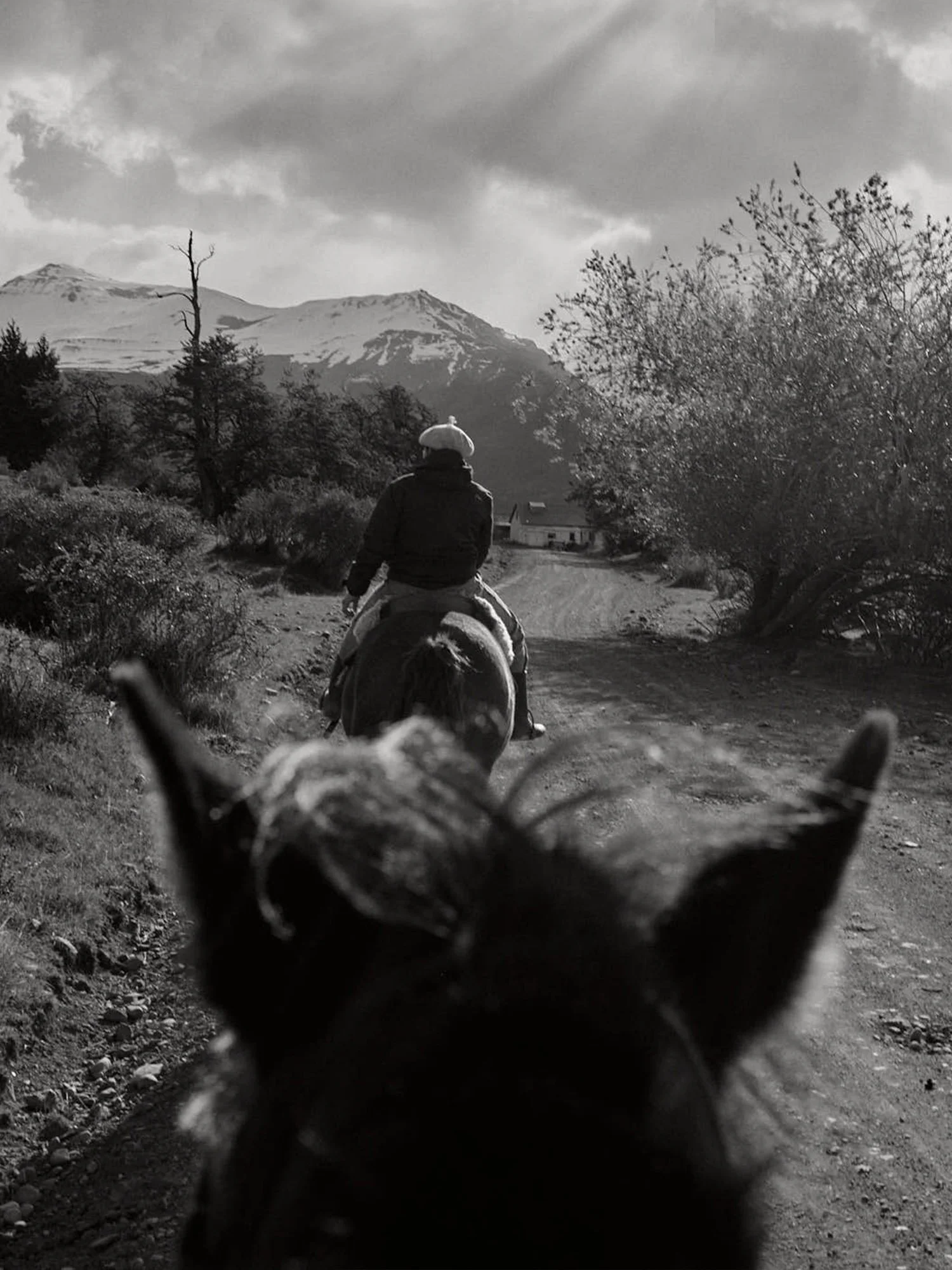
Creative Insights: First person photography taken from horseback portrays the excitement and authenticity of the visitor experience. Working Gaucho activity juxtaposed with art on the interior walls shows the continuity and tradition at this 100 year old estancia.

A series of 15 photographs and text narrative


"Nick has a rare gift: he makes you feel like you're there. Through his writing and storytelling, he managed to capture the essence of what we want people to experience: the spirit of the gaucho lifestyle. Reading his work, you sense the rhythm of a life that has remained unchanged for over a century. His photography is equally stunning, authentic, atmospheric, and full of soul. A true talent and an absolute pleasure to work with.

Jort van der Horst, Gaucho Getaways

Text Narrative 
  • At Estancia Nibepo Aike, a fourth-generation working ranch in Los Glaciares National Park—gaucho culture meets traditional luxury in the Argentine wilderness.

    For forty minutes, I ride with the gauchos—and for forty minutes, I’m certain that this is the life for me. The sun drops behind the Sierra Baguales, the wind whips up and Evelyn, riding close in red espadrilles, lets out a high-toned yeeeiihh—half rodeo call, half pure exhilaration. A spirited group of French guests joins in with a Gallic yawp, and together we thunder across the fields to help the gauchos round up the sheep and move them between pastures.

    I had no idea whether the sheep actually needed moving. What mattered was the bite of the wind, the easy camaraderie, the sense that for a brief moment I had stepped into a rhythm older than the life I'd left behind in England.

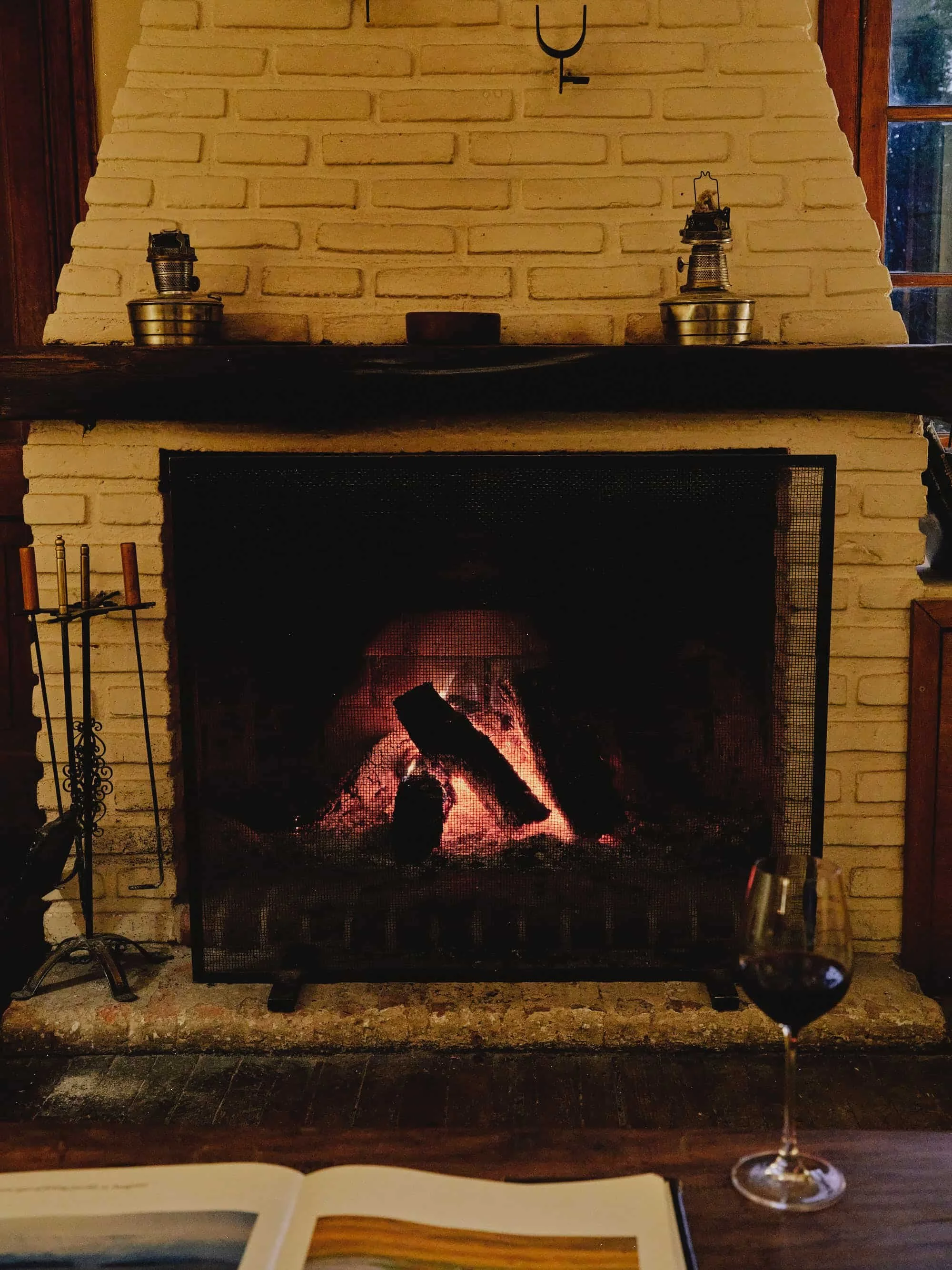
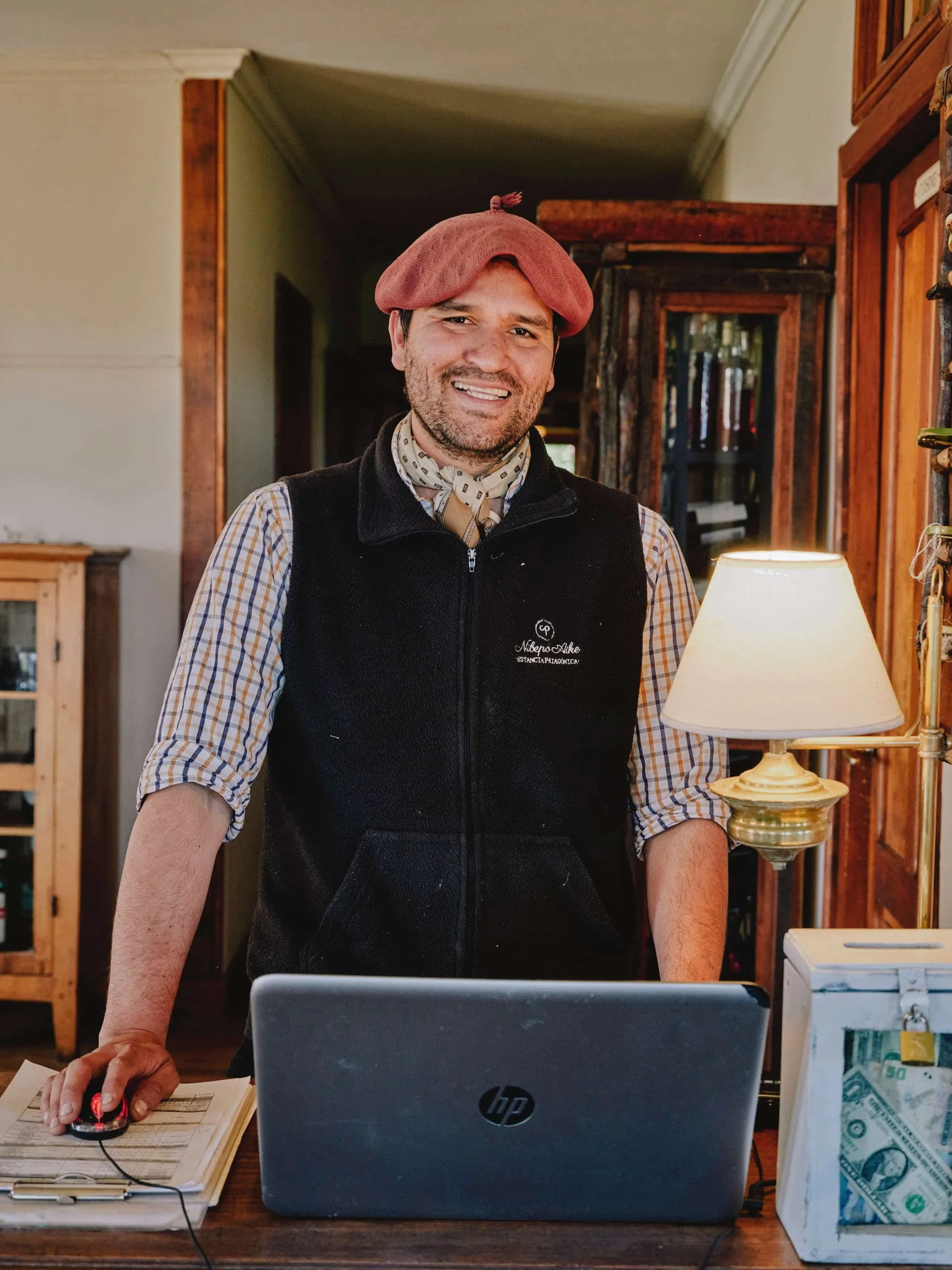
    Later, cradling a glass of Merlot beside a roaring fire, Luciano, the general manager, sips his maté and tells me that winds were up to 70 miles an hour this morning. I come to my senses.

    Estancia Nibepo Aike has that effect. It is the only working ranch within Los Glaciares National Park permitted to maintain livestock while offering traditional lodging and activities. The estancia was founded in 1910 by Croatian immigrant Santiago Peso; today, his grandson runs the 29,600-acre ranch with the same traditional values his grandfather brought to these plains over a century ago.

    The main house—over 110 years old—has been converted into a country lodge with ten rooms. It's a typical Patagonian wooden construction with original wooden floors and fireplaces. Wood burners glow in the bedrooms. The fire in the lodge's inglenook never goes out.

    This is not a museum. Gauchos still ride out at dawn, herding Hereford cattle and sheep until they disappear over the horizon, sometimes staying overnight in remote huts scattered across the property. The risks are real: rivers in spate, pumas watching from the ridgelines at night—patient, calculating. A few years ago, before guard dogs were stationed with the lambs, a puma killed forty in a single evening. "Pumas love lambs," ranch guide Analía tells me, matter-of-fact. "They're always watching. But they're afraid of people."

    Gaucho tradition and change

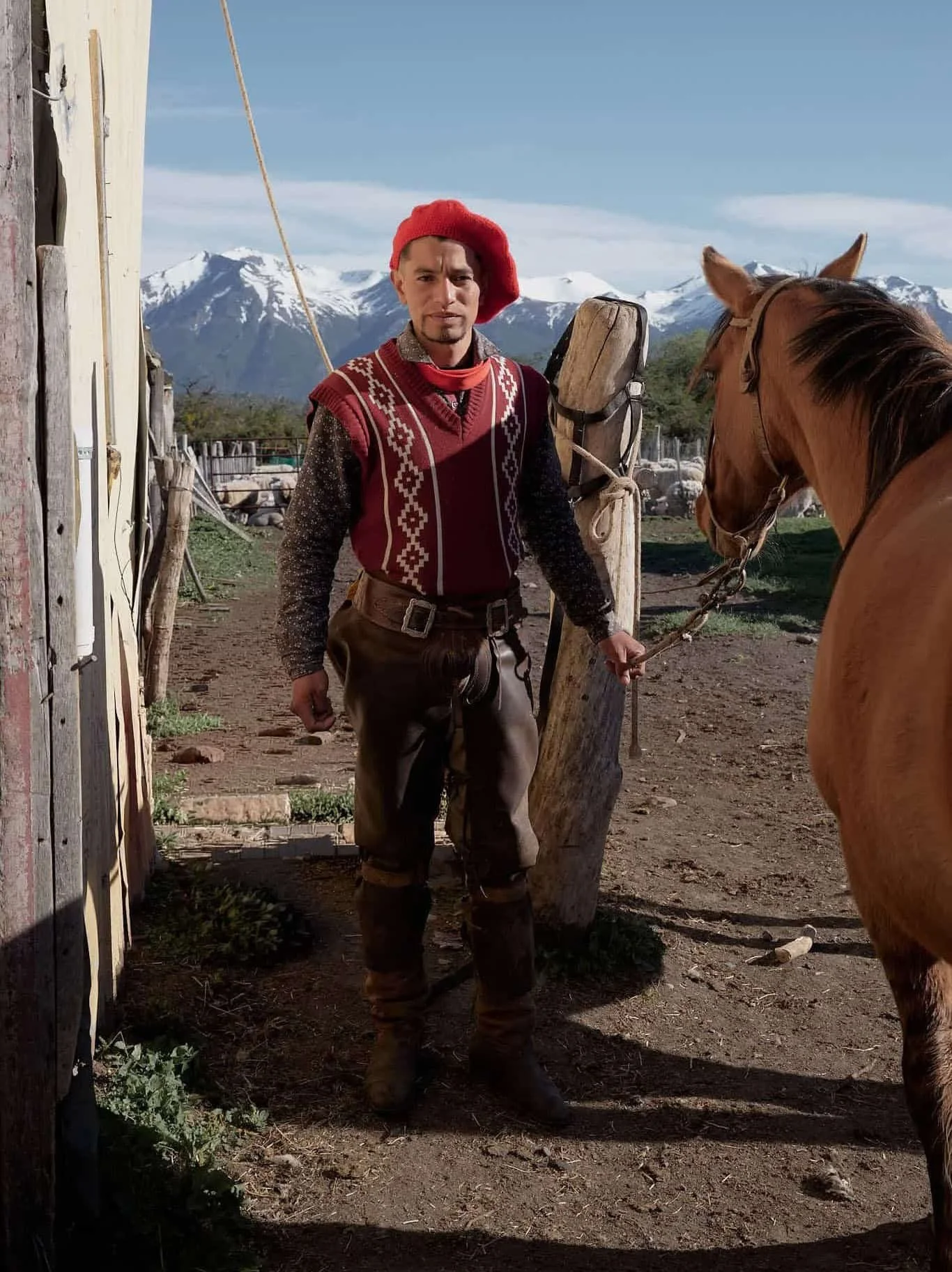
    Gauchos, once nomadic horsemen, are fundamental to Argentina's agricultural economy, and remain a powerful folk icon of independence and resilience.

    The gauchos at Nibepo Aike live in traditional tin-roofed houses clustered around the main lodge. The work is hard, romantic only from a distance, and like gauchos at many estancias, their role has evolved to include tourism—leading trail rides, and demonstrating sheep shearing.

    Yet there is something at Estancia Nibepo Aike that resists easy categorization. Gustavo, our horseback guide, holds a degree in soil science. The staff are invested not only in the experience, but in preserving the environment that surrounds the ranch.

    “Patagonia in spring,” Gustavo says as we ride through woodland of lenga and coigüe trees, “smells like lemonade.”

    Farm to table, Patagonian-style

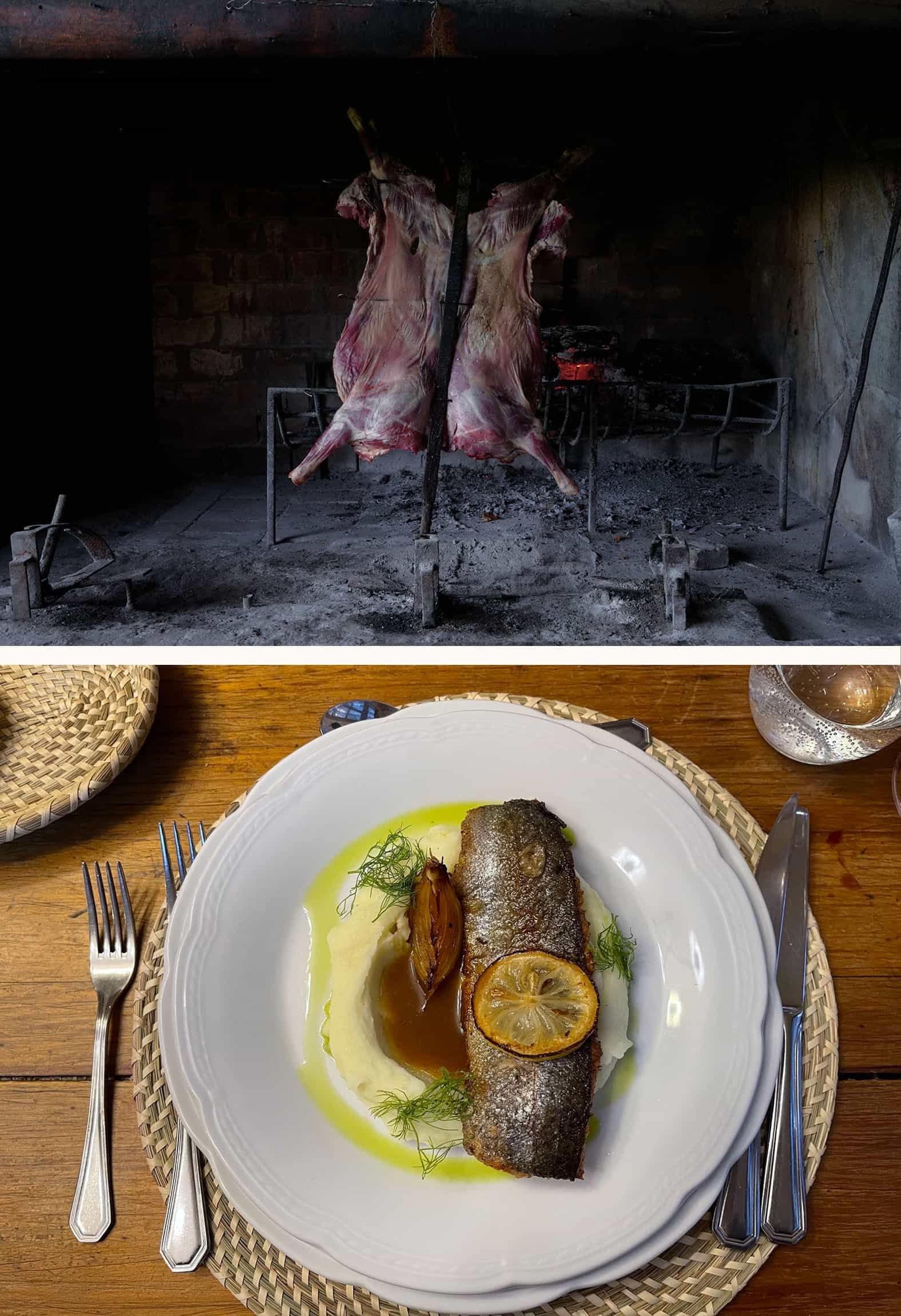
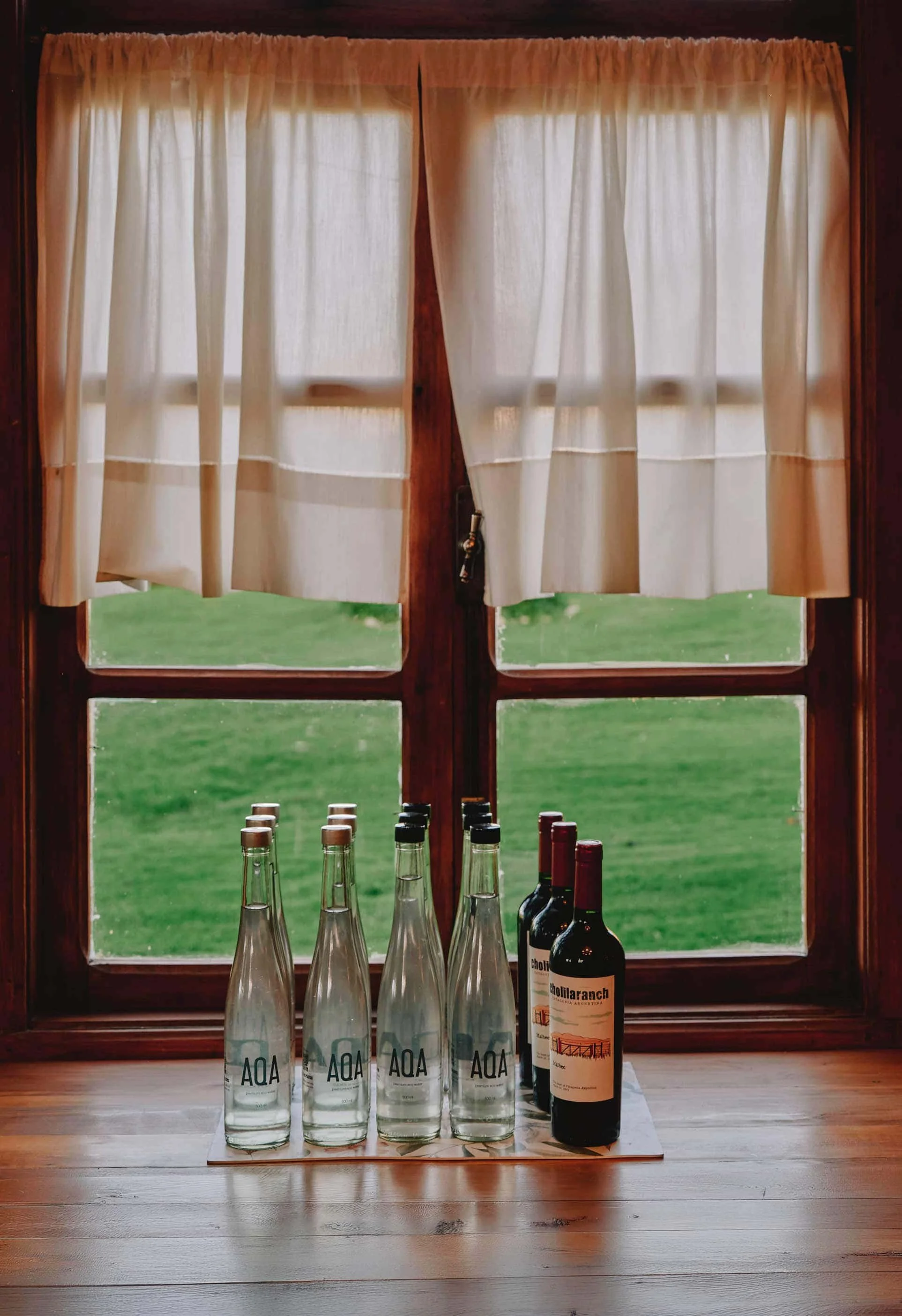
    At Nibepo Aike, the land is desert steppe—not much is planted. Farm-to-table is both austere and indulgent. Lamb raised on the grasslands and trout lifted from nearby glacial water form the heart of each meal; while vegetables appear sparingly, treated with reverence. Confronted with constraint, chefs respond with precision—producing imaginative, fine-dining plates that are stripped of excess and feel deeply local. I go for trout, my friend Aky: the chargrilled lamb. The meal is accompanied by Choilaranch, a Malbec, named after the Patagonian ranch where Butch Cassidy and the Sundance kid settled. Our glasses are topped up and conversation flows.


    Horizon Lines and Bloodlines

    In the afternoon, we ride Creole horses—descendants of Arabian and Spanish bloodlines bred for their strength, temperament, and stamina. They are steady, sure-footed, and tolerant of the inexperience of some of the guests who ride them.

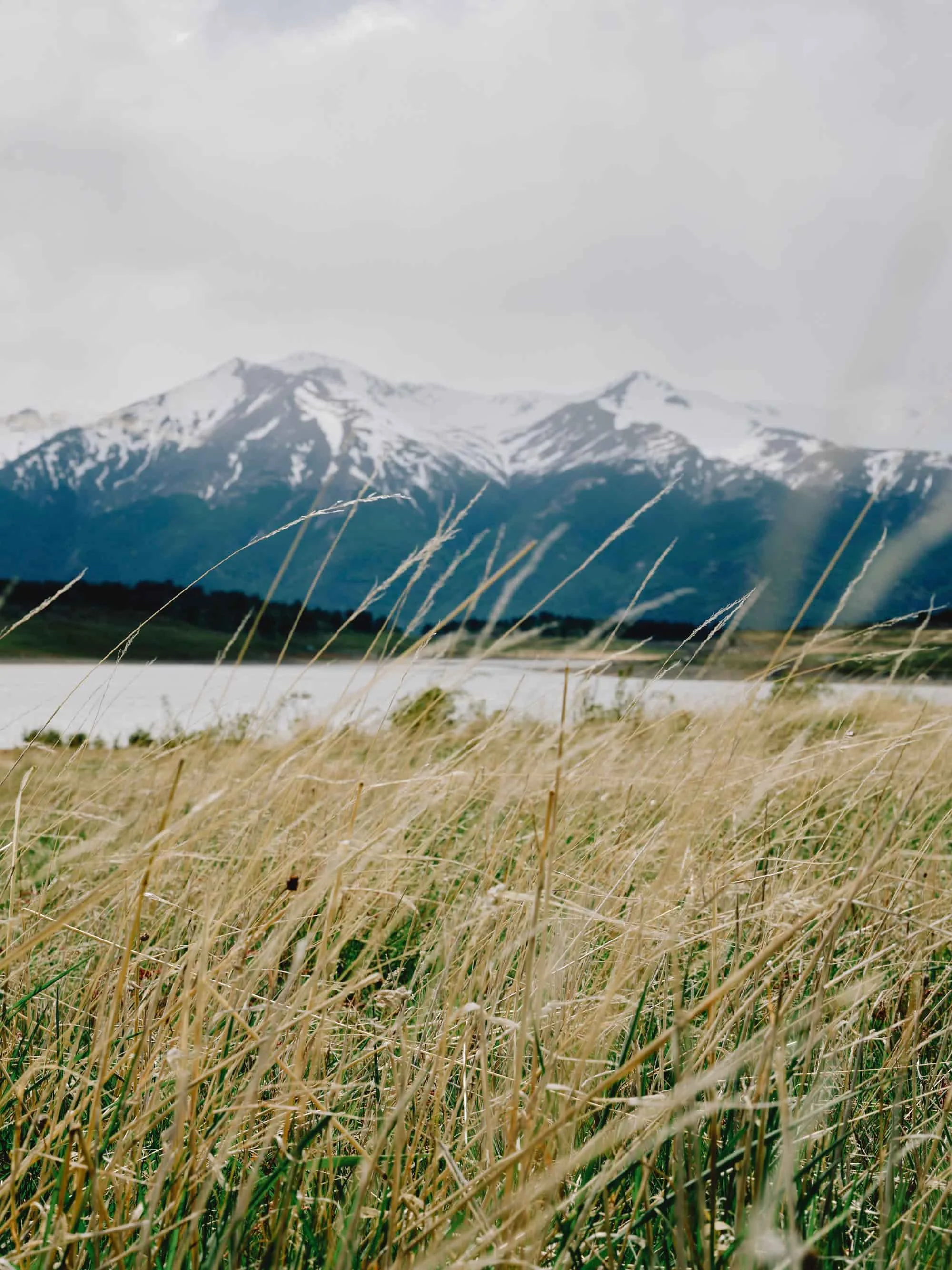
    The three-hour ride takes us past Cerro Cervantes - a mountain with hanging glaciers that seems permanently shrouded in cloud. We pass herds of Hereford cattle with vast stretches of open pasture to graze. Horses that belong to the estancia roam wild here. As we ride, a foal approaches—my horse greets her young from the free-ranging herd.

    We ride slowly, with no theatrics, stopping at arranged viewpoints. This collaboration allows something essential to survive.


    The Last Fire

    On our final morning, we sit in the main lodge waiting to be picked up. The fire crackles in the inglenook fireplace. I ask Luciano to put on some music he loves—he responds with exquisite Argentine guitar—Atahualpa Yupanqui. On the wall, a painting shows a lone gaucho riding past a cluster of houses, the kind of scene that has repeated itself here since 1910.

    I think about my fanciful forty minutes as a gaucho. I wanted to ride alongside this life for a moment—to feel what it might be like to live at this scale.

    That, it turns out, is enough.

Forty Minutes a Gaucho

At Estancia Nibepo Aike in the Argentine Wilderness—a taste of the rhythm of a life unchanged for a century.

For forty minutes, I ride with the gauchos—and for forty minutes, I’m certain that this is the life for me. The sun drops behind the Sierra Baguales, the wind whips up and Evelyn, riding close in red espadrilles, lets out a high-toned yeeeiihh—half rodeo call, half pure exhilaration. A spirited group of French guests joins in with a Gallic yawp, and together we thunder across the fields to help the gauchos round up the sheep and move them between pastures.

I had no idea whether the sheep actually needed moving. What mattered was the bite of the wind, the easy camaraderie, the sense that for a brief moment I had stepped into a rhythm older than the life I'd left behind in England.

Later, cradling a glass of Merlot beside a roaring fire, Luciano, the general manager, sips his maté and tells me that winds were up to 70 miles an hour this morning. I come to my senses.

Estancia Nibepo Aike has that effect. It is the only working ranch within Los Glaciares National Park permitted to maintain livestock while offering traditional lodging and activities. The estancia was founded in 1910 by Croatian immigrant Santiago Peso; today, his grandson runs the 29,600-acre ranch with the same traditional values his grandfather brought to these plains over a century ago.

The main house—over 110 years old—has been converted into a country lodge with ten rooms. It's a typical Patagonian wooden construction with original wooden floors and fireplaces. Wood burners glow in the bedrooms. The fire in the lodge's inglenook never goes out.

This is not a museum. Gauchos still ride out at dawn, herding Hereford cattle and sheep until they disappear over the horizon, sometimes staying overnight in remote huts scattered across the property. The risks are real: rivers in spate, pumas watching from the ridgelines at night—patient, calculating. A few years ago, before guard dogs were stationed with the lambs, a puma killed forty in a single evening. "Pumas love lambs," ranch guide Analía tells me, matter-of-fact. "They're always watching. But they're afraid of people."

Gaucho tradition and change

Gauchos, once nomadic horsemen, are fundamental to Argentina's agricultural economy, and remain a powerful folk icon of independence and resilience.

The gauchos at Nibepo Aike live in traditional tin-roofed houses clustered around the main lodge. The work is hard, romantic only from a distance, and like gauchos at many estancias, their role has evolved to include tourism—leading trail rides, and demonstrating sheep shearing.

Yet there is something at Estancia Nibepo Aike that resists easy categorization. Gustavo, our horseback guide, holds a degree in soil science. The staff are invested not only in the experience, but in preserving the environment that surrounds the ranch.

“Patagonia in spring,” Gustavo says as we ride through woodland of lenga and coigüe trees, “smells like lemonade.”


Read the story Forty Minutes a Gaucho on far from

Farm to table, Patagonian-style

At Nibepo Aike, the land is desert steppe—not much is planted. Farm-to-table is both austere and indulgent. Lamb raised on the grasslands and trout lifted from nearby glacial water form the heart of each meal; while vegetables appear sparingly, treated with reverence. Confronted with constraint, chefs respond with precision—producing imaginative, fine-dining plates that are stripped of excess and feel deeply local. I go for trout, my friend Aky: the chargrilled lamb. The meal is accompanied by Choilaranch, a Malbec, named after the Patagonian ranch where Butch Cassidy and the Sundance kid settled. Our glasses are topped up and conversation flows.


Horizon Lines and Bloodlines

In the afternoon, we ride Creole horses—descendants of Arabian and Spanish bloodlines bred for their strength, temperament, and stamina. They are steady, sure-footed, and tolerant of the inexperience of some of the guests who ride them.

The three-hour ride takes us past Cerro Cervantes - a mountain with hanging glaciers that seems permanently shrouded in cloud. We pass herds of Hereford cattle with vast stretches of open pasture to graze. Horses that belong to the estancia roam wild here. As we ride, a foal approaches—my horse greets her young from the free-ranging herd.

We ride slowly, with no theatrics, stopping at arranged viewpoints. This collaboration allows something essential to survive.


The Last Fire

On our final morning, we sit in the main lodge waiting to be picked up. The fire crackles in the inglenook fireplace. I ask Luciano to put on some music he loves—he responds with exquisite Argentine guitar—Atahualpa Yupanqui. On the wall, a painting shows a lone gaucho riding past a cluster of houses, the kind of scene that has repeated itself here since 1910.

I think about my fanciful forty minutes as a gaucho. I wanted to ride alongside this life for a moment—to feel what it might be like to live at this scale.

That, it turns out, is enough.


Read the story Forty Minutes a Gaucho on far from